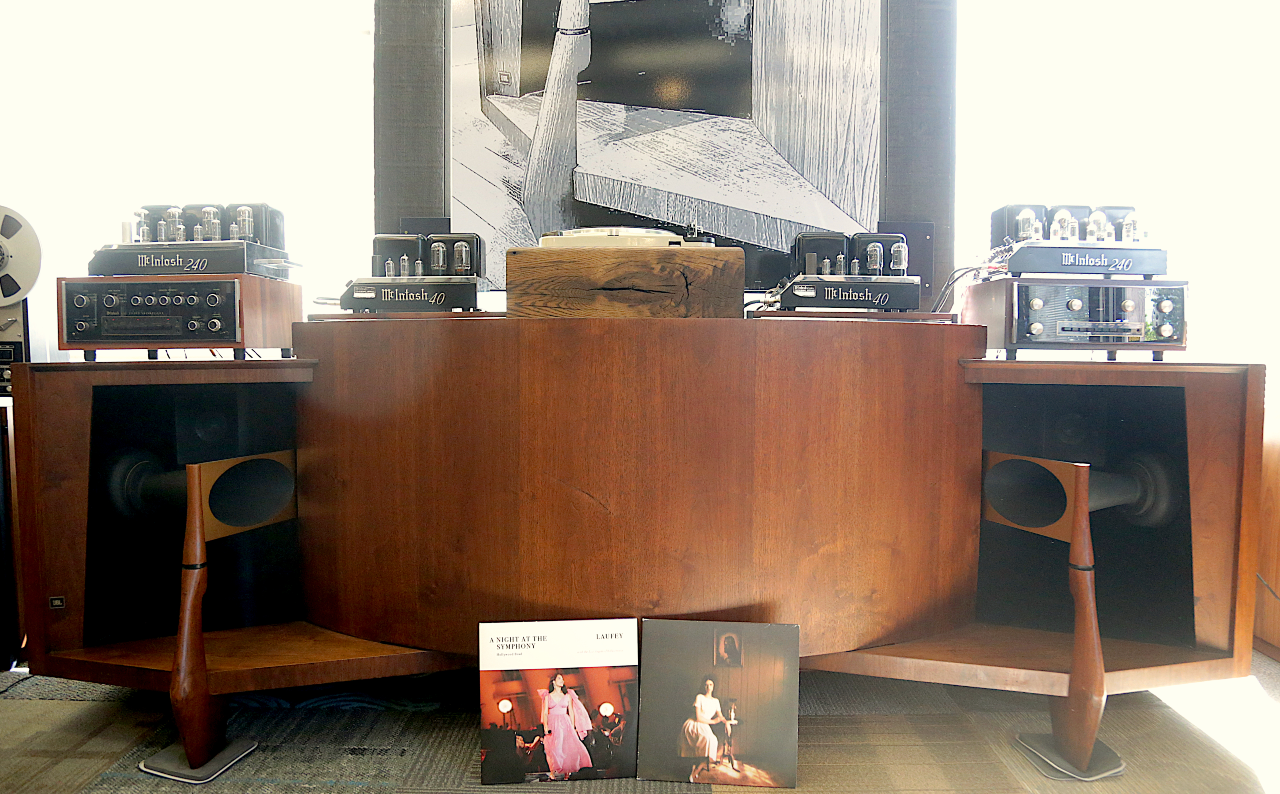
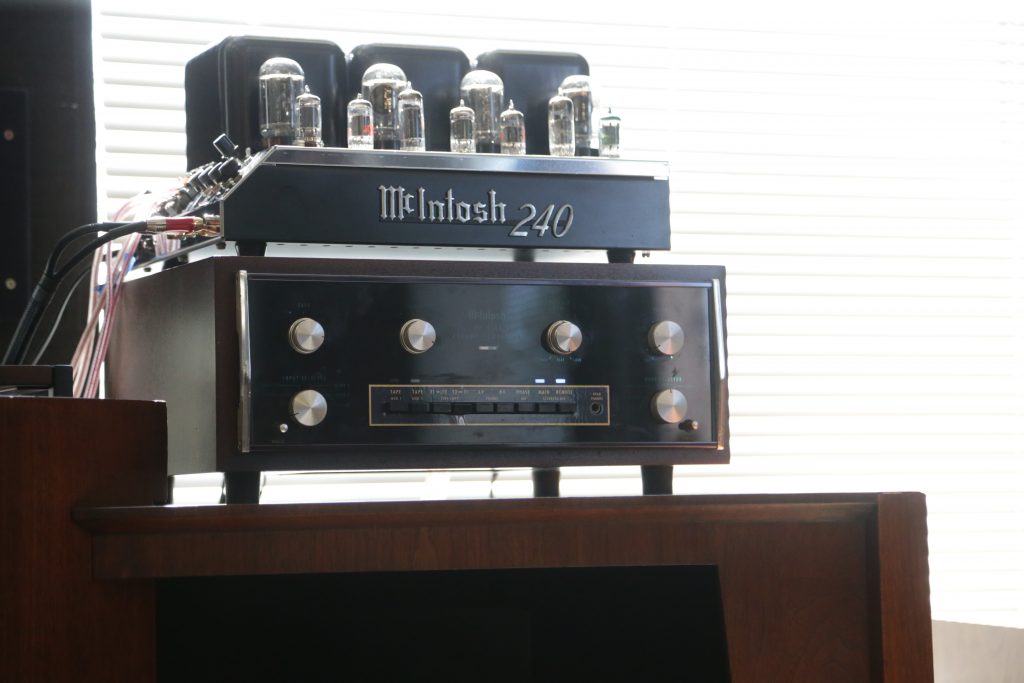
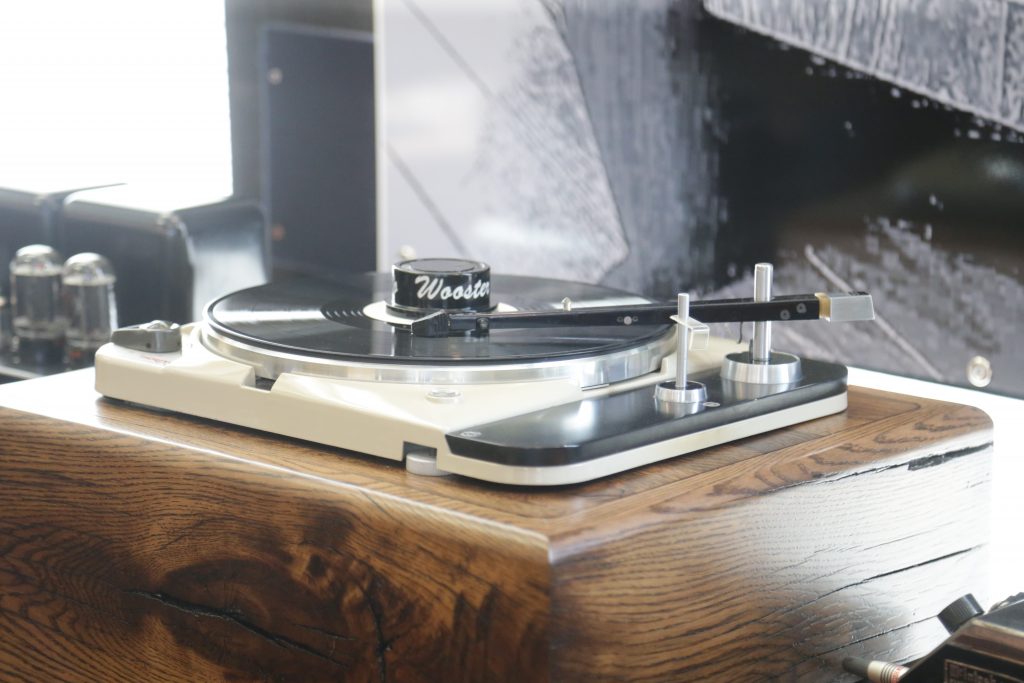
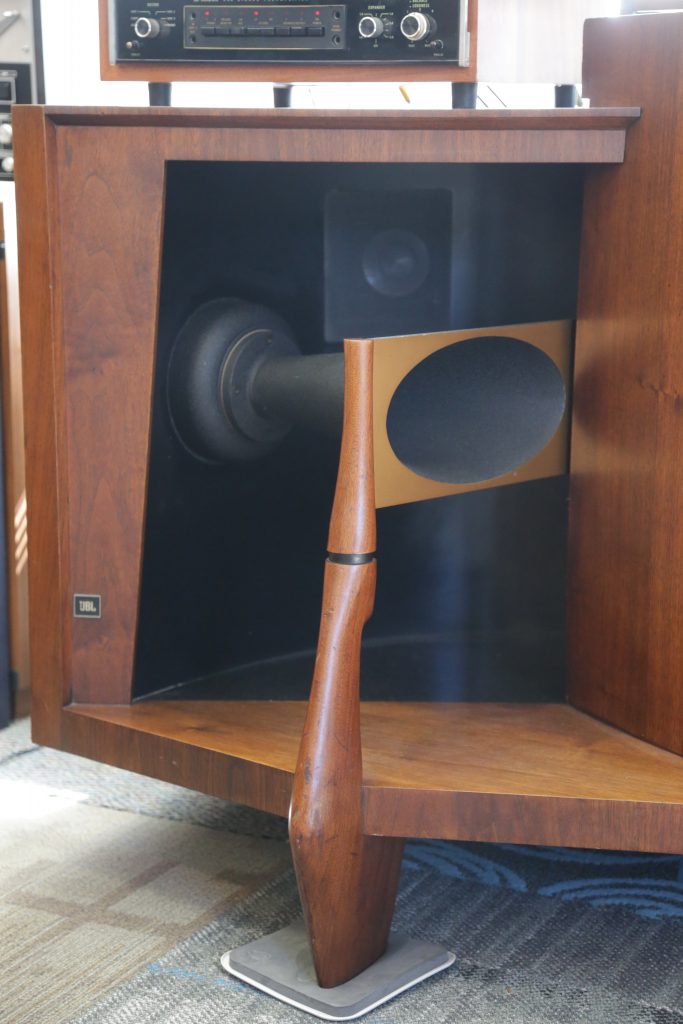
The JBL Paragon is a legendary speaker system. Just hearing one is on a lot of audiophiles’ bucket lists, let alone owning one, or in Brian’s case, two. Even for me, this was the first time I had gotten to see one in person as well as listen to one for a couple of hours. When Brian reached out to come have a listen, I jumped at the opportunity. I actually almost went out a week early; I apparently don’t know how calendars work. As I said, I spent a couple of hours listening to various records and a couple of CDs. The Paragon was powered by McIntosh with a custom Garrard Turntable. The amps powering it were a pair of Mc40s and a pair of Mc240s, with a McIntosh preamp.
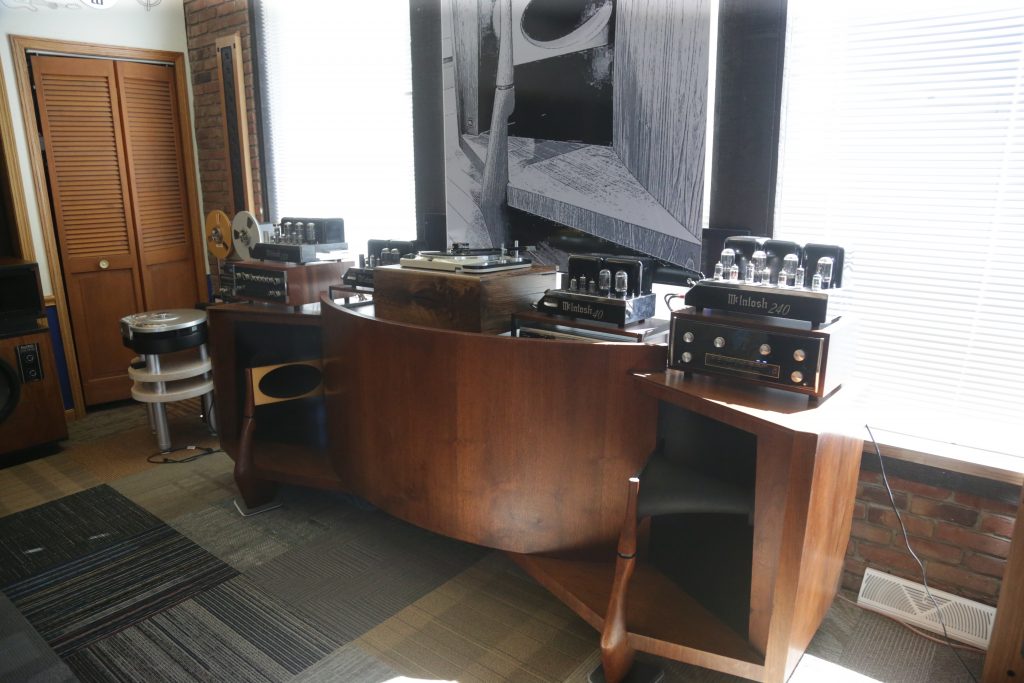
The sound is unlike anything I have ever heard. You would think it wouldn’t have the best stereo separation being a single large unit, but that is simply not the case. The left and right are extremely well defined, and there is a phantom center. The highs are horns, so of course, they are crystal clear and detailed. I will say I didn’t expect much bass; many older speakers don’t have the same low-end output as modern speakers. This is mostly due to the material sciences of the time. Let me say, the Paragon has bass, the kind you feel. It was clean bass too, not quite as clean as modern speakers are capable of, but, for the age, I was beyond impressed. Brian also had me do a little sound experiment, where I got up and walked around the store and listened to how it filled the room. The thing is, it sounded good everywhere, while the sweet spot is certainly, well, the best spot, you could genuinely enjoy the music from anywhere. The Paragon very well may be the ultimate family room speaker.
Brian played a couple of his albums, and I brought along a couple of my own. I can’t really speak to the und with Brian’s as I am not intimately familiar with the music, but they sounded very nice in general. I took along Luafy’s Night at The Symphony and Ethel Cain’s Preachers Daughter. I like using these albums for three reasons. The first is that I love the music itself, the second is that I have listened to both of these albums countless times on countless systems, and lastly, I have heard both performed live. The Paragon certainly favored Laufey, as her music is very much influenced by the era that the Paragon is from. That is not to say that Ethel Cain did not sound wonderful, but the guitar solo near the end of House In Nebraska was not quite as open as I have heard it before. Brian did mention to me that in his experience, the Paragon really favors jazz, classical, and the like. I think the thing that stood out the most was how smooth and realistic the vocals were. Having heard both albums live, I have a sense for how both artists sound, and the Paragon is nearly life-like.
Overall, I thought the system sounded wonderful. The Paragon paired well with the McIntosh tub gear, and the sound had just the right amount of vintage warmth without feeling too low-end weighted. The high-end had plenty of sparkle and air to add to the little details. The sound stage was absolutely massive, especially so in depth. While it may not be the speaker system to host your own at-home rave, it will likely sound good with anything, but certainly exquisite when you play into its hand with some jazz, Americana, folk, or classical.
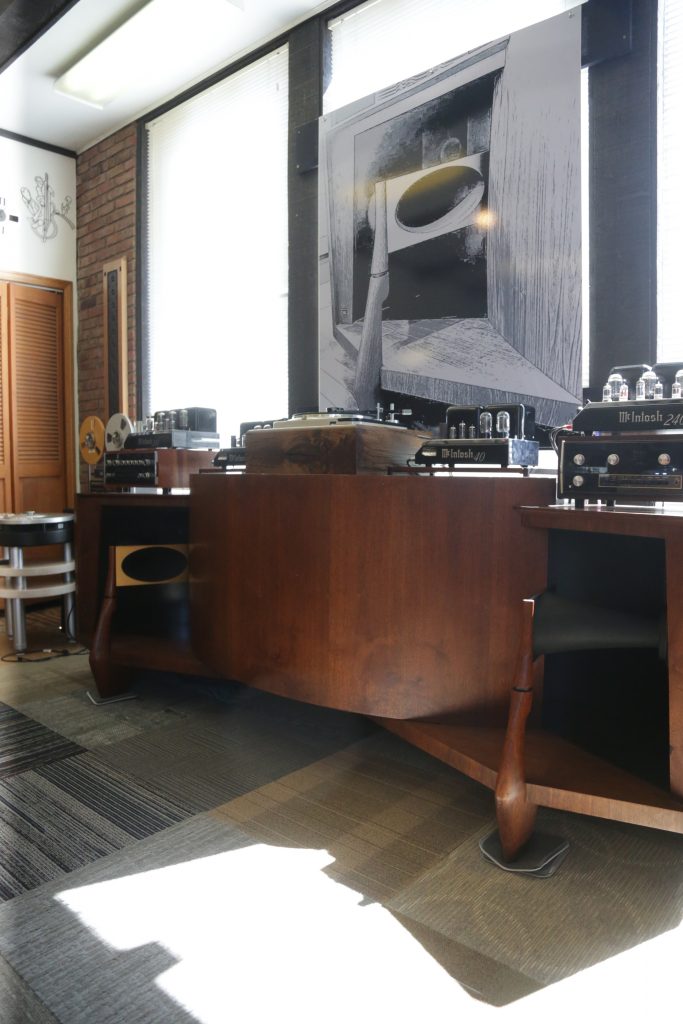
I want to thank Brian at Wooster Vintage Audio for having me out to listen to a Bucklist speaker.
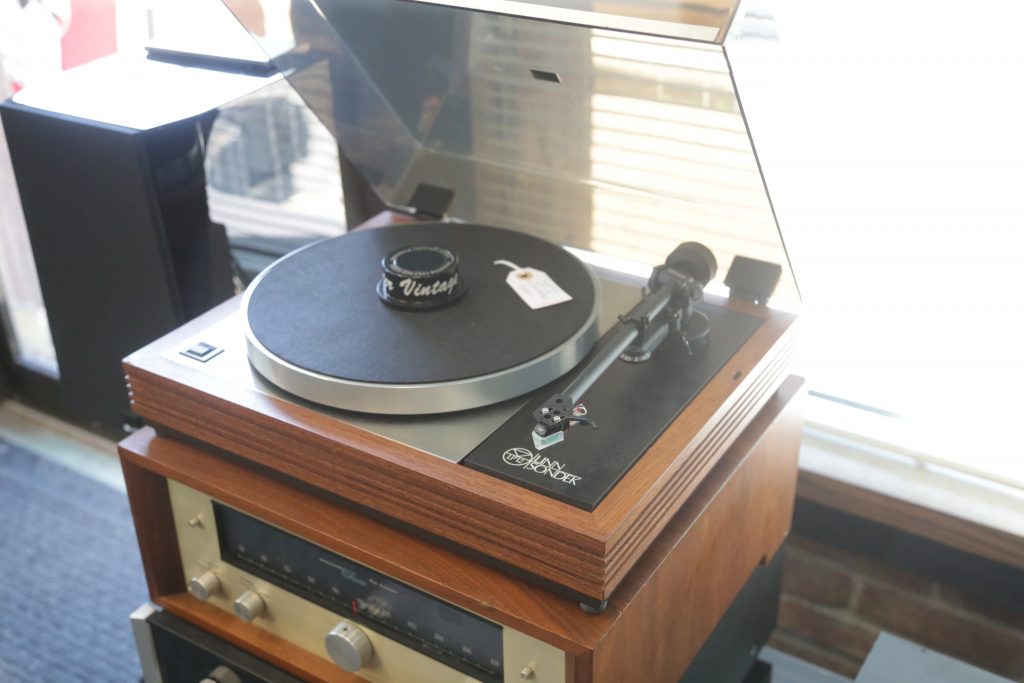
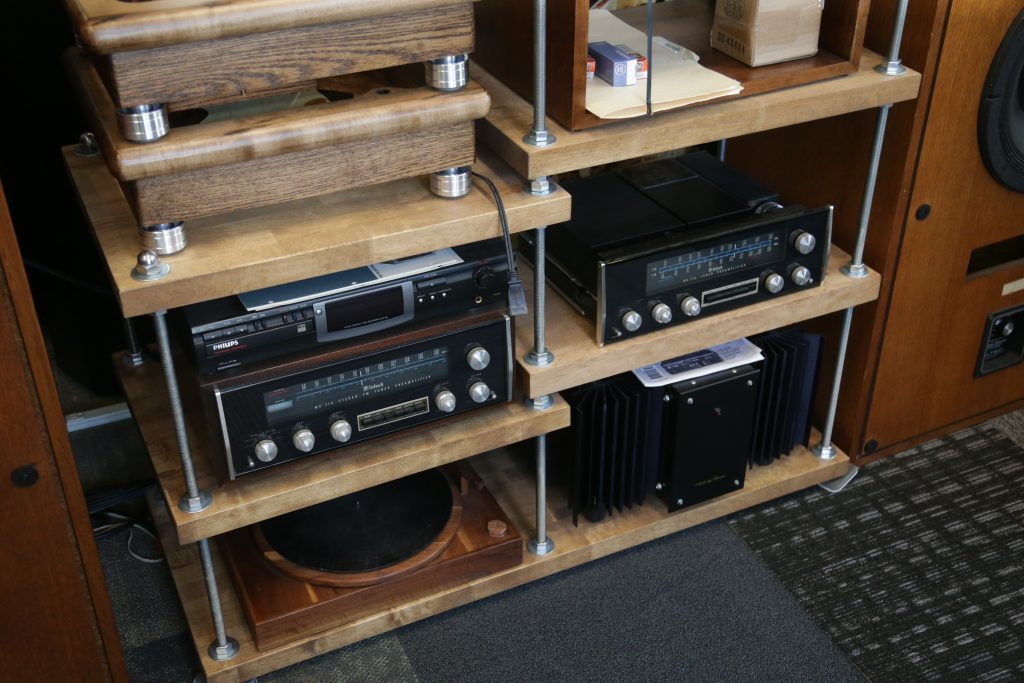
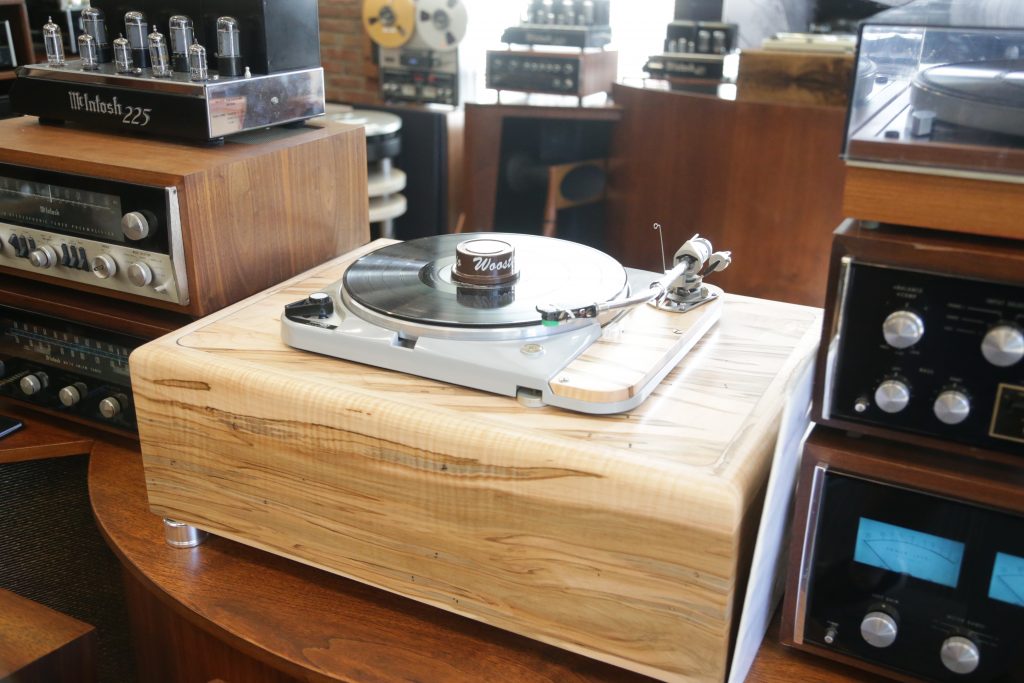
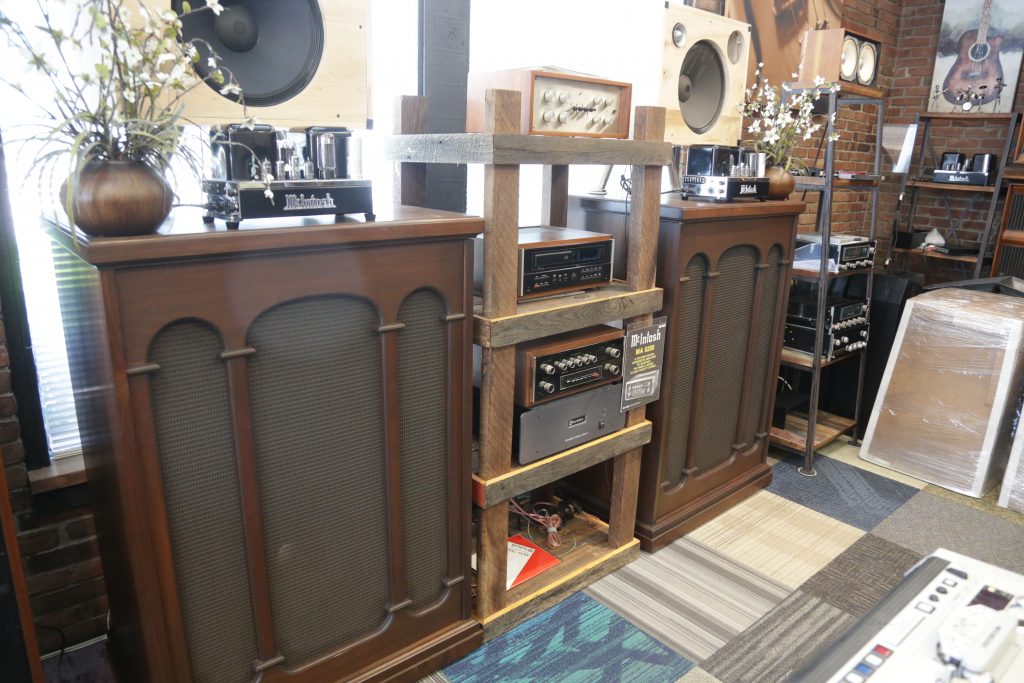
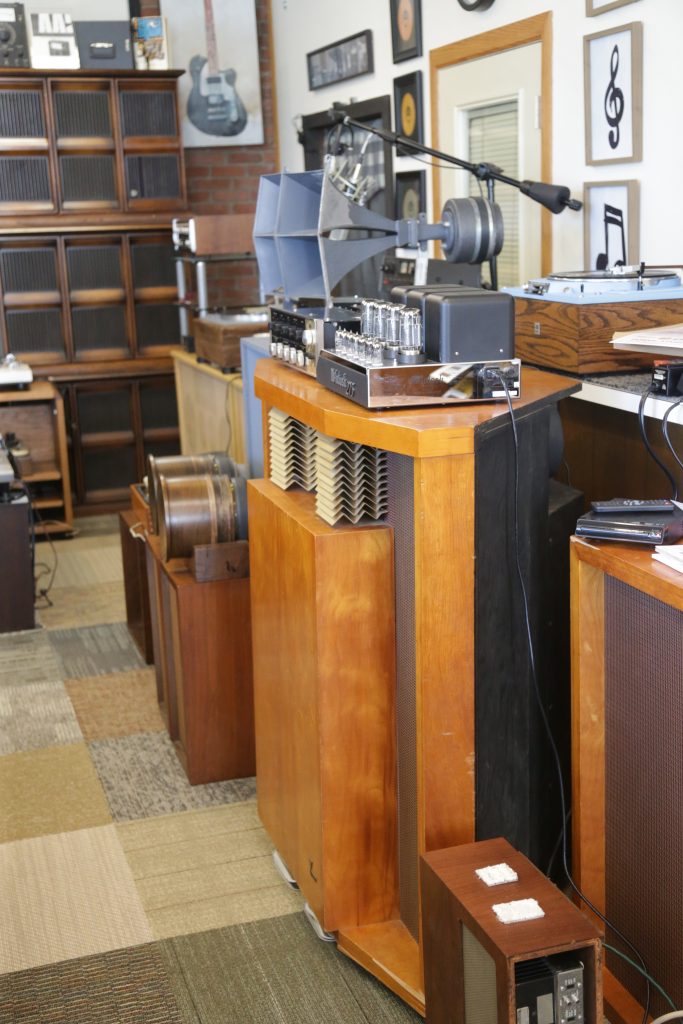
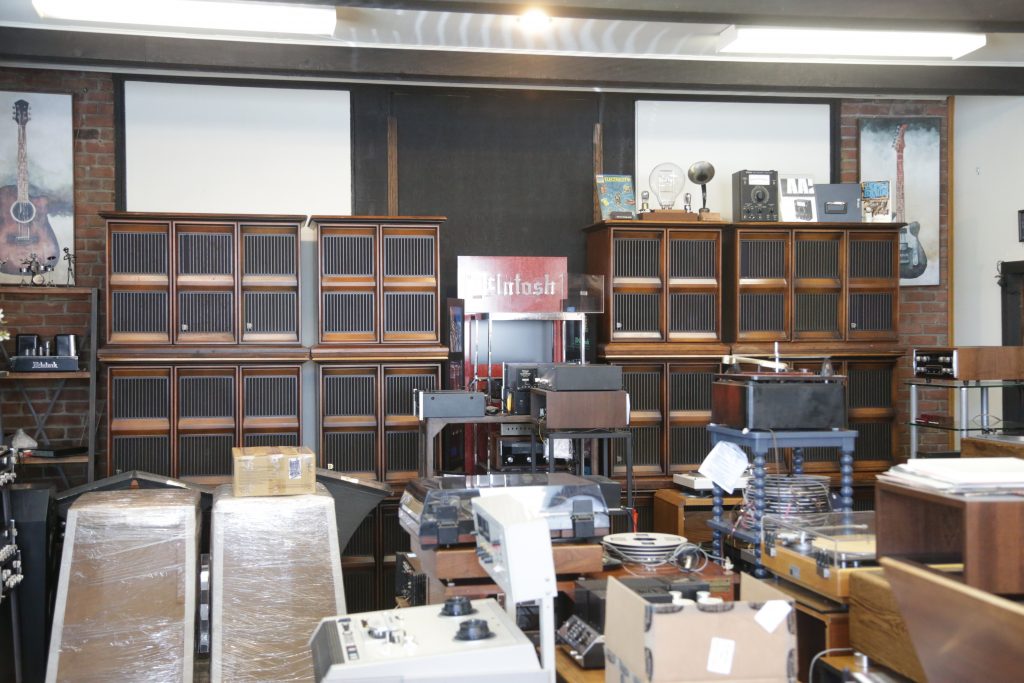
Be sure to follow Wooster Vintage Audio on Facebook and Instagram, links below, as well as some photos from around the store.
https://www.facebook.com/WoosterVintageAudio
https://www.instagram.com/woostervintageaudio